

Brick By Brick, Stone By Stone, We Build Each Other
BRICK BY BRICK. STONE BY STONE.
Black Bricks: A Manifesto for Collective Prosperity
I. Why We Build
We are living in the aftermath of extraction.
Our labor built nations. Our creativity fueled economies.
Yet our communities were denied the foundations of lasting prosperity.
We reject the myth of overnight success.
We reject the lie that liberation comes without structure.
We reject dependency disguised as opportunity.
Prosperity that lasts is constructed, not gifted.
II. The Meaning of the Build
Brick by Brick means daily, disciplined action.
Small, repeatable commitments that compound over time.
- Supporting Black-owned businesses
- Sharing skills and knowledge
- Mentoring the next generation
- Circulating resources within our communities
Stone by Stone means permanence.
Systems that remain long after individuals are gone.
- Land ownership
- Cooperative enterprises
- Educational pipelines
- Independent institutions
- Community governance
Bricks create momentum.
Stone creates legacy.
III. Our Principles
- Collective Over Individual
Individual success means little if the community remains fragile. - Foundation Before Expansion
Growth without stability collapses. We build from the ground up. - Consistency Over Spectacle
Quiet work outlasts loud moments. - Ownership Over Access
Access can be revoked. Ownership endures. - Intergenerational Thinking
We build not just for ourselves, but for those we will never meet.
IV. How We Organize
We do not wait for permission.
We do not wait for perfect conditions.
We do not wait for saviors.
We organize through:
- Mutual aid networks
- Cooperative economics
- Political education
- Local investment
- Cultural responsibility
Every member is a builder.
Every builder is accountable.
V. The Role of the Individual
You do not need to be wealthy to contribute.
You do not need a platform to matter.
Your brick may be:
- Time
- Skill
- Knowledge
- Capital
- Protection
- Care
What matters is placement.
Every brick must strengthen the structure.
VI. The Role of Institutions
Institutions must serve the people who sustain them.
We demand:
- Transparency
- Community accountability
- Economic participation
- Local reinvestment
Institutions that extract without building will not be sustained.
VII. Youth Are Not an Afterthought
Youth are not future leaders—they are current builders.
We commit to:
- Teaching economic literacy early
- Protecting curiosity and creativity
- Providing real pathways, not promises
A community that neglects its youth erases its future.
VIII. Healing Through Construction
Healing is not passive.
Healing is not abstract.
Healing happens when:
- Stability replaces survival
- Ownership replaces precarity
- Purpose replaces despair
We heal by building what was denied.
IX. Our Measure of Success
Not visibility.
Not virality.
Not applause.
Success is measured by:
- Land secured
- Businesses sustained
- Families stabilized
- Knowledge transferred
- Power retained locally
If it cannot last, it is not success.
X. The Commitment
This is not a moment.
This is not a trend.
This is not a campaign that ends.
This is a construction project.
We build when it’s hard.
We build when it’s slow.
We build when no one is watching.
Brick by Brick. Stone by Stone.
We build each other. We build to last.
Optional Closing Line (for posters or events):
“Strong communities aren’t inherited. They’re constructed.”

Brick by Brick → Trade Architecture
Community organizing becomes trade when it produces:
- Standardized goods & services
- Reliable supply chains
- Trust-based commercial relationships
- Permanent market access
Brick by Brick = production capacity
Stone by Stone = trade infrastructure
I. Domestic Trade: Building the Internal Market First
1. Community as the Anchor Market
Before exporting globally, the campaign should formalize Black domestic demand.
Actions
- Create a Brick by Brick Vendor Network
(certified producers, service providers, cooperatives) - Encourage intra-community procurement
(schools, churches, orgs buying from the network) - Develop a “circulation first” pledge
→ Dollars circulate locally before exiting
Result
A protected internal market that stabilizes producers.
2. Sector-Based Trade Clusters
Organize participants into trade clusters, not individuals.
Example Clusters
- Agriculture & food processing
- Construction & materials
- Textiles & apparel
- Digital services & media
- Logistics & warehousing
Each cluster develops:
- Shared suppliers
- Shared standards
- Shared buyers
Result
Scale without fragmentation.
3. Cooperative Supply Chains
Instead of isolated businesses, the campaign promotes linked ownership.
Example
- Farmers → processors → distributors → retailers
- Designers → manufacturers → fulfillment hubs
Each layer owned or co-owned by participants.
Result
Value stays inside the ecosystem.
II. Financial Infrastructure (Stone by Stone)
Trade fails without capital discipline.
4. Pooled Capital & Trade Funds
Create community-controlled trade funds:
- Import/export working capital
- Equipment financing
- Inventory pooling
- Bulk purchasing power
Mechanisms
- Rotating credit associations
- Cooperative investment notes
- Revenue-sharing trade funds
Result
Trade independence from predatory finance.
5. Trade-Backed Currency Logic (Optional)
Not speculation—utility-based exchange.
- Credit backed by real goods
- Trade credits redeemable for products/services
- Internal settlement before cash conversion
Result
Liquidity without dependency.
III. Global Trade: South–South & Diaspora First
6. Diaspora-to-Continent Trade Corridors
Instead of starting with hostile markets, focus on:
- Africa
- Caribbean
- Latin America
- Black diasporic hubs globally
Trade Focus
- Food security
- Construction materials
- Cultural goods
- Technology services
- Education & training
Result
Trade based on shared development goals, not exploitation.
7. Export Readiness & Standards
Turn community producers into exporters.
Campaign-Level Support
- Packaging standards
- Compliance education
- Shared logistics contracts
- Export documentation support
Result
Small producers operate at global standards.
8. Trade Delegations, Not Tourism
Replace symbolic travel with commercial missions.
Delegation Goals
- Sign MOUs
- Secure supply contracts
- Establish joint ventures
- Transfer skills & technology
Result
Relationships measured in contracts, not photos.
IV. Knowledge as a Trade Commodity
9. Export Services, Not Just Goods
Brick by Brick communities export:
- Design
- Software
- Media
- Education
- Consulting
- Engineering
- Cultural IP
Low shipping costs, high margins.
Result
Economic power without physical extraction.
10. IP Ownership & Licensing
Culture becomes capital only if owned.
- Register trademarks
- License designs
- Protect digital assets
- Collective IP ownership models
Result
Recurring global revenue streams.
V. Governance & Trust (The Hidden Infrastructure)
11. Trade Councils
Every region forms a Brick by Brick Trade Council:
- Conflict resolution
- Contract enforcement
- Quality control
- Ethics standards
Result
Trust scales beyond personal relationships.
12. Data Sovereignty
Track:
- Trade volumes
- Internal circulation
- External dependency
- Growth metrics
Result
Strategy guided by data, not emotion.
VI. Campaign → Economic Movement (Summary)
Brick by Brick
- Train producers
- Build supply chains
- Circulate money
- Develop skills
Stone by Stone
- Own infrastructure
- Control capital
- Secure trade routes
- Protect institutions
We do not ask for access to global markets—we build the capacity to trade on our own terms.
Below is a strategic map of existing African-diaspora businesses and institutions that already operate at domestic and global trade scale and can jumpstart Black Americans into real production, logistics, finance, and market access—without starting from zero.
This is framed for Brick by Brick. Stone by Stone. as partners, anchors, or accelerators, not aspirational examples.
1. Trade, Logistics & Supply Chain Anchors
(How goods actually move)



- Jetstream Africa
Pan-African freight and logistics platform modernizing cargo movement across African ports.
Value: Reduces friction for U.S.–Africa exporters. - Afrexpress
Established Africa-wide courier and parcel logistics network.
Value: Small-batch exports, e-commerce fulfillment. - Sendwave
Diaspora remittances platform with deep payment rails.
Value: Payment settlement layer for cross-border trade. - Black-owned freight forwarders (US East Coast, Houston, Atlanta)
Often overlooked but already handling Africa/Caribbean lanes.
Value: Immediate domestic logistics partnerships.
2. Finance, Capital & Trade Settlement
(Stone-level infrastructure)



- African Export-Import Bank
Core institution financing Africa–diaspora trade.
Value: Trade credit, guarantees, structured export finance. - Flutterwave
Pan-African payments and merchant infrastructure.
Value: Enables U.S. Black businesses to sell directly into Africa. - PayDay
Cross-border digital banking.
Value: Faster settlement, reduced FX friction. - Diaspora credit unions & community banks (US)
Quietly funding small trade, construction, and food businesses.
Value: Patient capital aligned with community growth.
3. Agriculture, Food & Commodities
(High-demand, repeatable trade)



- Ghana Cocoa Board
One of the most structured commodity boards globally.
Value: Stable sourcing for U.S.-based processing & branding. - Ethiopian Commodity Exchange
Transparent, standardized agricultural trade platform.
Value: Reduces counterparty risk for diaspora buyers. - Diaspora-owned specialty food brands (US & UK)
Importing grains, spices, coffee, shea, palm oil.
Value: Ready-made distribution + brand trust.
4. Manufacturing, Construction & Materials
(Where durable wealth is built)


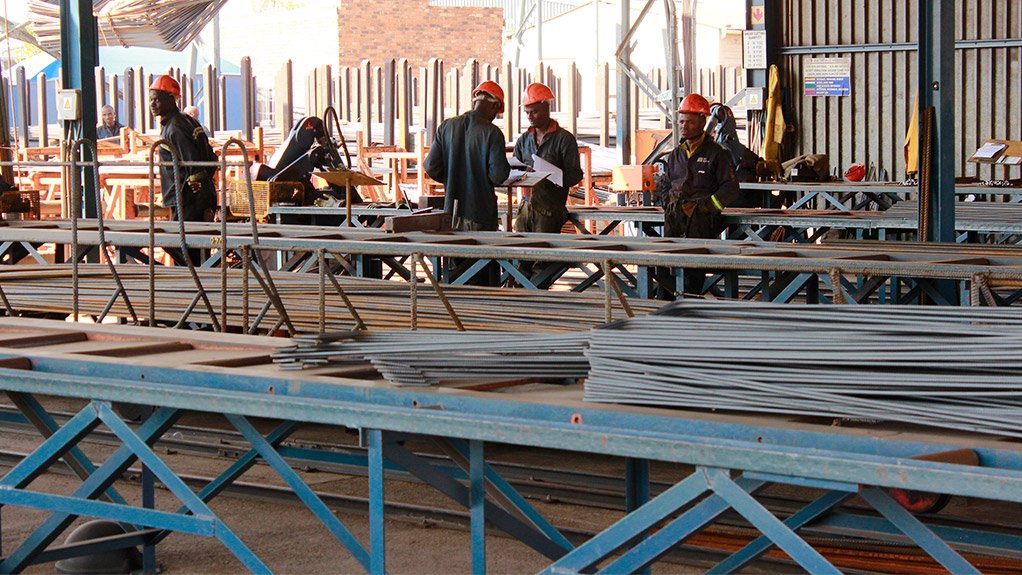
- Dangote Group
Cement, fertilizer, manufacturing at continental scale.
Value: Raw materials & industrial inputs for diaspora projects. - Industrial Development Corporation
Industrial financing partner.
Value: Joint ventures with diaspora manufacturers. - Diaspora construction firms (US, UK, Canada)
Already sourcing materials from Africa.
Value: Trade-ready demand pipelines.
5. Technology, Media & Intellectual Property
(Low shipping cost, high margins)
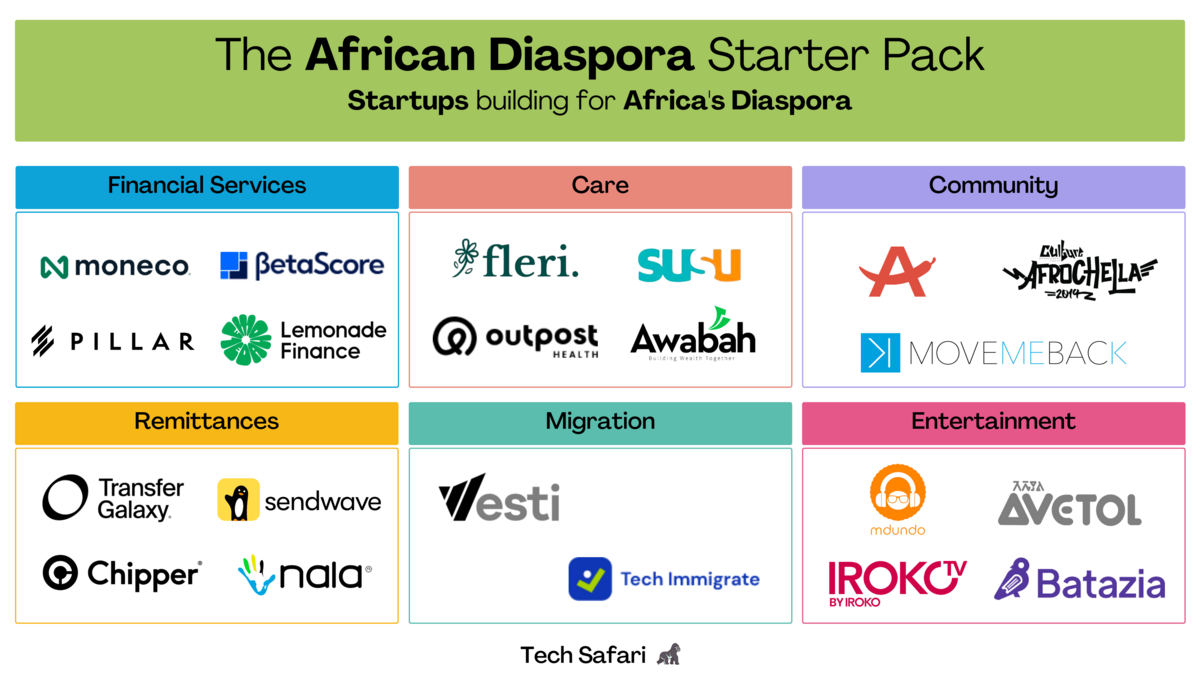



- Andela
Africa–diaspora tech talent pipeline.
Value: Exporting services instead of labor. - Afrobeats Intelligence
Music industry data and monetization platform.
Value: Cultural IP as export commodity. - EbonyLife Media
Film & television with global distribution.
Value: IP licensing & co-production models.
6. Trade Organizations & Networks
(Trust accelerators)
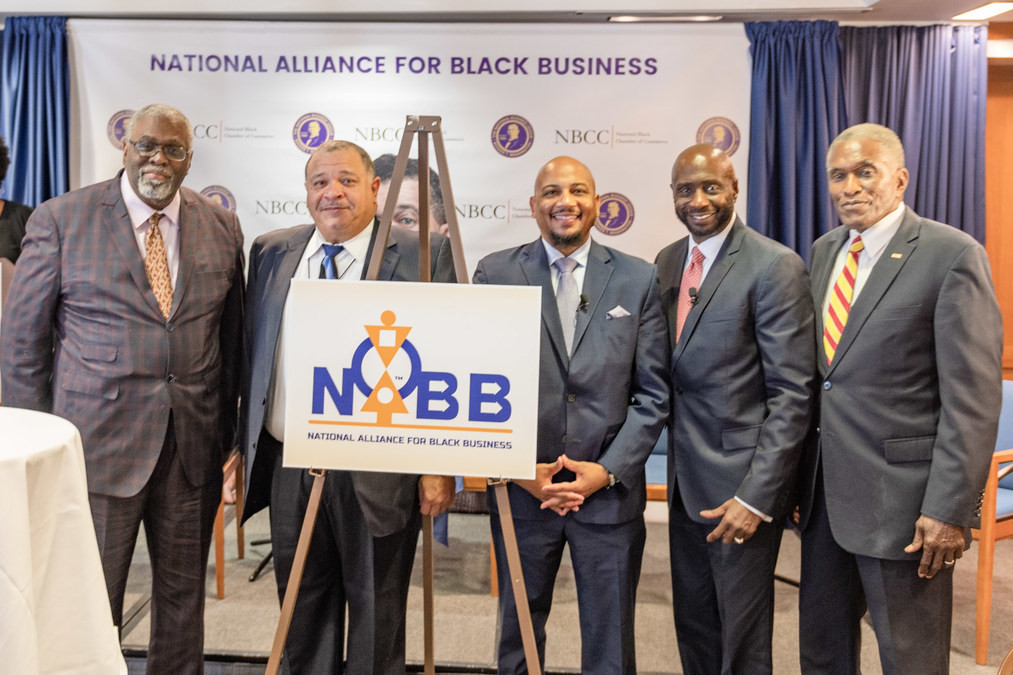

- U.S.–Africa Business Council
Policy + market access.
Value: Institutional leverage. - African Diaspora Network
Capital mobilization and enterprise support.
Value: Bridge between community and institutions. - Caribbean–African Chambers of Commerce
Often overlooked but strategically positioned.
Value: Ready trade corridors with shared history.
How Brick by Brick Activates These Assets
Phase 1 – Plug In
- Partner with existing logistics & payments platforms
- Use existing commodity boards & manufacturers
- Sell into existing diaspora markets first
Phase 2 – Co-Own
- Joint ventures
- Revenue-sharing supply chains
- Cooperative export entities
Phase 3 – Institutionalize
- Diaspora trade councils
- Trade-backed finance
- Permanent market corridors
Strategic Reality Check
The African diaspora already has trade infrastructure.
What’s missing is coordination, ownership alignment, and scale.
Brick by Brick does not need to invent trade.
It needs to organize it.

Below is a foundational, discipline-based breakdown of the core skills and education required to be successful in business, structured as a practical operating system rather than abstract advice. This aligns directly with Brick by Brick. Stone by Stone.—skills first, institutions second.
The Business Fundamentals Stack
I. Financial Literacy (Non-Negotiable)
Core Skills
- Reading financial statements (income, balance sheet, cash flow)
- Cash-flow management (not just profit)
- Pricing for margin, not volume
- Basic taxation and compliance
- Personal vs business finance separation
Minimum Education
- Bookkeeping fundamentals
- Business math (percentages, margins, breakeven)
- Credit, debt, and interest mechanics
Reality Check
Most businesses fail from cash mismanagement, not bad ideas.
II. Value Creation & Problem Solving
Core Skills
- Identifying unmet or poorly served needs
- Translating skills into sellable products/services
- Differentiating from competitors
- Understanding customer pain points
Minimum Education
- Market research basics
- Product-market fit
- Cost vs value analysis
Reality Check
If you don’t solve a real problem, you don’t have a business.
III. Sales & Negotiation
Core Skills
- Communicating value clearly
- Objection handling
- Closing deals
- Contract basics
- Pricing confidence
Minimum Education
- Sales psychology
- Negotiation fundamentals
- Basic contract literacy
Reality Check
Sales is not manipulation—it is resource exchange.
IV. Operations & Systems Thinking
Core Skills
- Process design
- Time management
- Delegation
- Quality control
- Inventory and fulfillment
Minimum Education
- Standard operating procedures (SOPs)
- Lean operations basics
- Supply chain fundamentals
Reality Check
Systems outperform talent over time.
V. Legal & Structural Literacy
Core Skills
- Business formation types (LLC, Corp, Coop)
- Contracts and liability
- Intellectual property basics
- Regulatory compliance
Minimum Education
- Business law basics
- Risk management
- Governance structures
Reality Check
Structure determines survival under pressure.
VI. Marketing & Brand Positioning
Core Skills
- Understanding your customer
- Messaging and storytelling
- Pricing signals
- Distribution channels
- Digital literacy
Minimum Education
- Basic marketing funnels
- Social and e-commerce platforms
- Analytics fundamentals
Reality Check
A great product without visibility is invisible.
VII. Strategic Thinking & Long-Term Planning
Core Skills
- Goal setting
- Competitive analysis
- Scenario planning
- Capital allocation
- Exit or succession planning
Minimum Education
- Strategy frameworks
- Risk vs reward evaluation
- Intergenerational planning
Reality Check
Businesses fail when leaders confuse activity with progress.
VIII. Leadership & Human Skills
Core Skills
- Communication
- Conflict resolution
- Emotional intelligence
- Team building
- Accountability
Minimum Education
- Organizational psychology
- Ethics and governance
- Cultural competence
Reality Check
People don’t leave businesses—they leave leadership.
IX. Discipline, Ethics & Mental Resilience
Core Skills
- Consistency
- Decision-making under stress
- Integrity
- Adaptability
- Self-regulation
Minimum Education
- Habit formation
- Stress management
- Ethical decision-making
Reality Check
Character compounds faster than capital.
X. Trade-Specific Add-Ons (Optional but Powerful)
For domestic & global trade:
- Import/export documentation
- Incoterms
- Foreign exchange basics
- Logistics coordination
- Cultural literacy
The Brick by Brick Learning Path
Phase 1 – Personal Foundation
- Financial literacy
- Sales communication
- Time discipline
Phase 2 – Business Competence
- Operations
- Legal structure
- Marketing & branding
Phase 3 – Trade & Scale
- Supply chains
- Capital deployment
- International commerce
One-Sentence Doctrine
Business success is not talent—it is the accumulation of basic skills executed consistently.

Below is a 12-month skill-building roadmap designed to take someone from basic literacy → operating a real business → preparing for scale and trade. It is structured for individuals or community cohorts and fits directly into Brick by Brick. Stone by Stone.
This assumes 10–12 hours per week of focused effort.
12-Month Business Skill-Building Roadmap
Brick by Brick. Stone by Stone.
PHASE I — FOUNDATION (Months 1–3)
Stability before ambition
Month 1: Financial Literacy & Personal Discipline
Skills
- Income vs profit vs cash flow
- Personal budgeting
- Separating personal and business money
- Basic bookkeeping
Actions
- Track every dollar for 30 days
- Open a separate business checking account (even before formal registration)
- Learn basic spreadsheet accounting
Deliverable
- Personal financial snapshot
- Simple monthly budget
- Cash-tracking system
Month 2: Business Math & Pricing
Skills
- Pricing for margin
- Break-even analysis
- Cost of goods sold (COGS)
- Basic taxes and obligations
Actions
- Price a hypothetical product or service
- Calculate break-even point
- Learn local/state tax basics
Deliverable
- Pricing model
- Break-even worksheet
- Cost structure outline
Month 3: Mindset, Ethics & Consistency
Skills
- Time management
- Habit formation
- Ethical decision-making
- Stress tolerance
Actions
- Build a weekly work rhythm
- Set non-negotiable work blocks
- Study common business ethics failures
Deliverable
- Weekly operating schedule
- Personal code of conduct
- 90-day discipline streak
PHASE II — MARKET & SALES (Months 4–6)
If it doesn’t sell, it’s not a business
Month 4: Problem Identification & Market Research
Skills
- Identifying real customer pain points
- Basic market research
- Customer interviews
- Competitive analysis
Actions
- Interview 10 potential customers
- Identify top 3 unmet needs
- Study competitors’ pricing and offers
Deliverable
- Problem–solution statement
- Target customer profile
- Competitive landscape summary
Month 5: Sales & Communication
Skills
- Value articulation
- Objection handling
- Negotiation basics
- Closing techniques
Actions
- Practice sales conversations weekly
- Write a simple sales script
- Learn contract basics
Deliverable
- Sales pitch
- Objection-response list
- First closed sale (or mock deal)
Month 6: Marketing & Brand Basics
Skills
- Branding fundamentals
- Messaging and storytelling
- Distribution channels
- Digital literacy
Actions
- Create a basic brand identity
- Launch a simple landing page or social presence
- Learn basic analytics
Deliverable
- Brand statement
- Online presence
- First marketing funnel
PHASE III — OPERATIONS & STRUCTURE (Months 7–9)
Turning effort into systems
Month 7: Operations & Systems
Skills
- Process mapping
- Inventory or workflow management
- Quality control
- Delegation fundamentals
Actions
- Document every recurring process
- Create standard operating procedures (SOPs)
- Identify inefficiencies
Deliverable
- Operations manual
- SOP checklist
- Efficiency improvements
Month 8: Legal Structure & Risk Management
Skills
- Business entities (LLC, Corp, Coop)
- Contracts
- Liability
- Insurance basics
Actions
- Register business (if not already)
- Draft basic contracts
- Understand compliance requirements
Deliverable
- Registered business entity
- Contract templates
- Risk map
Month 9: Financial Management & Capital
Skills
- Financial statements
- Cash forecasting
- Capital allocation
- Credit and financing literacy
Actions
- Produce monthly financial reports
- Build a 6-month cash forecast
- Learn funding options
Deliverable
- Income statement
- Cash-flow forecast
- Capital plan
PHASE IV — SCALE, TRADE & LEGACY (Months 10–12)
Stone by stone
Month 10: Scaling & Strategic Thinking
Skills
- Strategic planning
- Capacity analysis
- Growth vs stability tradeoffs
- Risk evaluation
Actions
- Identify bottlenecks
- Choose 1–2 growth paths
- Avoid premature scaling
Deliverable
- 1-year growth plan
- Capacity assessment
- Risk mitigation strategy
Month 11: Trade & Supply Chain Basics
Skills
- Domestic supply chains
- Import/export fundamentals
- Logistics literacy
- Payment systems
Actions
- Study one trade lane (domestic or global)
- Learn documentation basics
- Identify suppliers and buyers
Deliverable
- Trade readiness checklist
- Supplier/buyer map
- Logistics overview
Month 12: Governance, Legacy & Continuity
Skills
- Governance models
- Succession planning
- Cooperative economics
- Intergenerational thinking
Actions
- Define long-term vision
- Establish governance rules
- Mentor at least one other person
Deliverable
- Business constitution or bylaws
- Succession plan
- Community contribution record
End-of-Year Outcome
By Month 12, a participant should have:
- A legally structured business
- Consistent cash-flow management
- Repeatable sales
- Operational systems
- Scale or trade readiness
- A mindset rooted in discipline and community impact
Brick by Brick Doctrine
We do not rush growth.
We master fundamentals.
We build businesses that can survive pressure.
Below is a 14–21 Youth Business & Life Skills Roadmap designed for schools, community orgs, rites-of-passage programs, and youth collectives. It emphasizes discipline, economic literacy, identity, and contribution—not hustle culture. It fits Brick by Brick. Stone by Stone.
This roadmap assumes 6–8 hours per week and can run as an after-school, weekend, or summer cohort.
Brick by Brick. Stone by Stone.
Youth Roadmap (Ages 14–21)
PHASE I — SELF & MONEY (Months 1–3)
Before business, you build yourself
Month 1: Identity, Discipline & Purpose
Skills
- Self-awareness
- Time discipline
- Goal setting
- Personal responsibility
Practices
- Daily schedule creation
- Journaling (goals, habits, reflection)
- Respect, accountability, consistency
Deliverables
- Personal mission statement
- Weekly routine
- 30-day discipline streak
Month 2: Money Literacy
Skills
- What money is and how it moves
- Saving vs spending
- Needs vs wants
- Banking basics
Practices
- Track all money for 30 days
- Open a savings account (where possible)
- Learn interest and fees
Deliverables
- Simple budget
- Savings goal
- Money journal
Month 3: Work Ethic & Earning
Skills
- Value creation
- Earning money ethically
- Reliability
- Communication
Practices
- First paid work (job, gig, or micro-project)
- Resume basics
- Workplace conduct
Deliverables
- First earned income
- Resume draft
- Employer or mentor feedback
PHASE II — THINKING & PROBLEM SOLVING (Months 4–6)
Business is problem-solving
Month 4: Problem Identification
Skills
- Observation
- Critical thinking
- Asking good questions
Practices
- Identify 10 community problems
- Interview peers, elders, or local businesses
- Learn cause vs symptom
Deliverables
- Top 3 problems list
- Interview notes
- Problem statements
Month 5: Creativity & Solutions
Skills
- Idea generation
- Practical creativity
- Testing assumptions
Practices
- Design simple solutions
- Test ideas with real people
- Learn iteration
Deliverables
- 1 solution concept
- Feedback summary
- Revised idea
Month 6: Communication & Confidence
Skills
- Public speaking
- Writing clearly
- Listening
- Respectful disagreement
Practices
- Weekly presentations
- Group discussions
- Constructive debate
Deliverables
- 3-minute pitch
- Written explanation of idea
- Confidence assessment
PHASE III — BUSINESS BASICS (Months 7–9)
From idea to structure
Month 7: Mini-Business Fundamentals
Skills
- What a business is
- Customers and value
- Costs and pricing
- Ethics
Practices
- Launch a small project (lemonade stand, digital service, tutoring, reselling, etc.)
- Track costs and sales
Deliverables
- Mini-business launch
- Pricing model
- Revenue tracking
Month 8: Teamwork & Leadership
Skills
- Cooperation
- Conflict resolution
- Leadership roles
- Accountability
Practices
- Team projects
- Rotating leadership roles
- Peer feedback
Deliverables
- Team charter
- Leadership reflection
- Conflict resolution example
Month 9: Marketing & Digital Skills
Skills
- Social media basics
- Messaging
- Visual communication
- Online safety
Practices
- Create a simple brand
- Learn content creation
- Basic analytics
Deliverables
- Brand identity
- Online presence
- Engagement metrics
PHASE IV — FUTURE, TRADE & LEGACY (Months 10–12)
Seeing beyond yourself
Month 10: Career Paths & Trade Awareness
Skills
- Understanding careers vs jobs
- Global trade basics
- Supply chains
- Entrepreneurship options
Practices
- Career research
- Guest speakers
- Trade product exploration
Deliverables
- Career map
- Trade product report
- Skills gap analysis
Month 11: Financial Growth & Ownership
Skills
- Saving vs investing
- Ownership vs consumption
- Long-term thinking
Practices
- Learn basic investing concepts
- Understand cooperatives
- Ownership role models
Deliverables
- Long-term financial plan
- Ownership vision board
- Investment basics quiz
Month 12: Giving Back & Continuity
Skills
- Mentorship
- Civic responsibility
- Intergenerational respect
- Legacy thinking
Practices
- Mentor younger youth
- Community service project
- Public presentation
Deliverables
- Community project
- Mentorship record
- Personal legacy statement
End-of-Program Outcomes
Youth complete the program with:
- Financial literacy
- Work experience
- Communication confidence
- Business fundamentals
- Trade awareness
- Purpose and discipline
- Community responsibility
Youth Doctrine
You are not waiting to become something.
You are already building.
Optional Program Enhancements
- Rites-of-passage ceremony
- Youth cooperative launch
- Parent education sessions
- Certificates or digital badges
- Field trips to Black-owned businesses
- Global youth exchange partnerships